
Polynucleotide
Polynucleotide Treatment
What it is
Polynucleotide (PN) treatment uses long-chain DNA fragments (often derived from salmon or other marine sources) to stimulate tissue regeneration and repair. These biocompatible molecules act as scaffolds and signaling agents to promote cell proliferation, angiogenesis (new blood vessel growth), and extracellular matrix remodeling.
How it works
Injection of purified polynucleotides into targeted tissue triggers a cascade: cells sense the PN scaffold, which protects and stabilizes growth signals, attracts fibroblasts, and encourages collagen and elastin production. This leads to improved skin texture, elasticity, volume restoration, and enhanced wound-healing capacity.
Common uses
Facial rejuvenation: fine lines, skin laxity, poor texture
Periorbital (under-eye) rejuvenation and dark circle improvement
Neck and décolletage revitalization
Hair thinning and diffuse alopecia (scalp injections to boost follicle health)
Scar remodeling (post-acne or surgical scars)
Hand rejuvenation
Treatment session
Consultation and skin assessment to determine suitability
Topical anesthetic or local numbing as needed
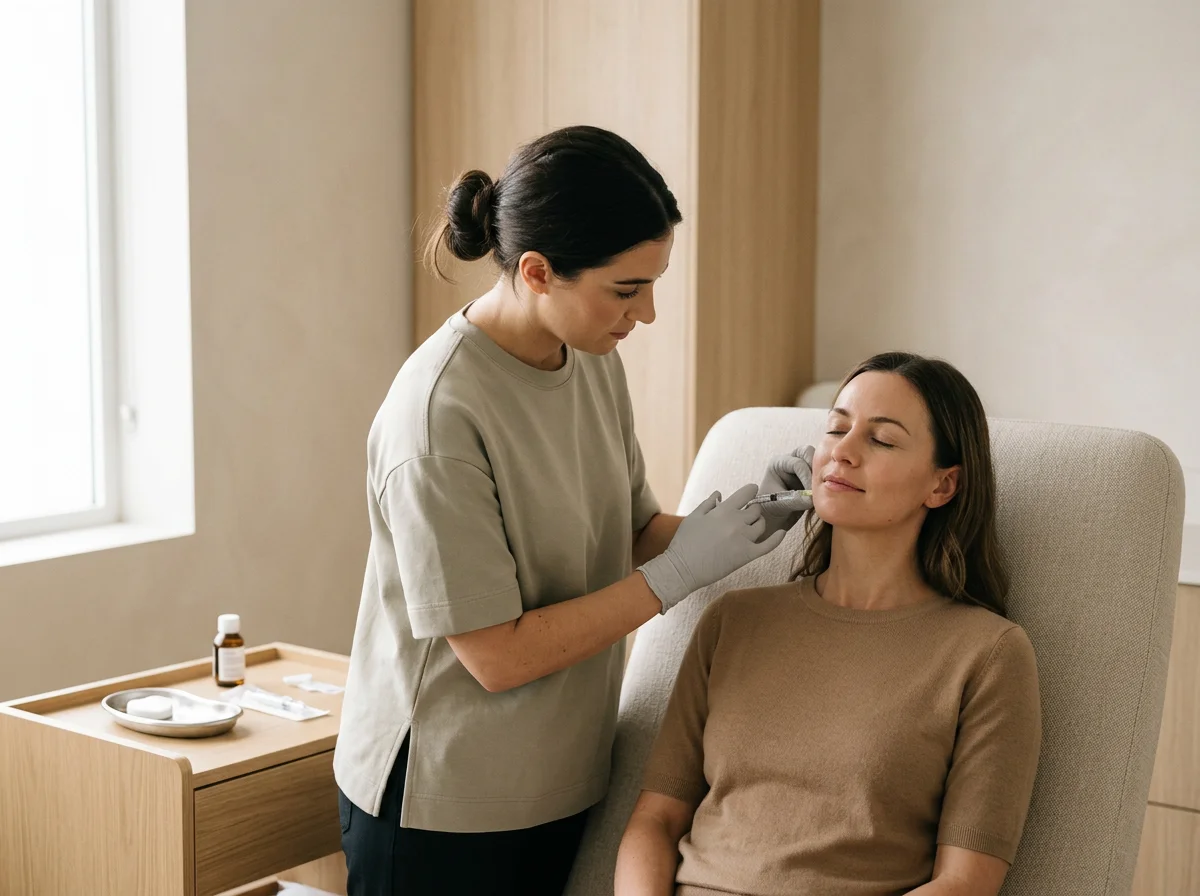
Series of microinjections into the dermis or superficial subdermal layer using fine needles or cannulas
Typical session length: 20–45 minutes depending on area treated
Protocols commonly range from 3 sessions spaced 4 weeks apart, with maintenance sessions every 6–12 months
Expected results and timeline
Early improvements in hydration and skin radiance can appear within days
Noticeable improvements in texture, firmness, and reduced fine lines typically develop over 4–12 weeks as collagen remodeling occurs
Results can last 6–12 months or longer depending on product, treatment area, patient age, and lifestyle
Benefits
Stimulates natural regeneration instead of simply filling
Minimal downtime; most patients resume normal activities same day
Suitable for patients seeking gradual, natural-looking rejuvenation
Lower risk of foreign-body reactions because PNs are highly purified and biocompatible
Risks and side effects
Common: temporary redness, swelling, bruising, mild tenderness at injection sites
Less common: infection, nodules, allergic reaction (rare)
Proper injection technique and medical-grade products minimize complications
Who is a good candidate
Adults seeking improvement in skin quality, mild-to-moderate laxity, or early hair thinning
Those preferring regenerative approaches over fillers or more invasive procedures
Not recommended for active infection at the treatment site, certain autoimmune conditions, or pregnancy/breastfeeding—discuss medical history with your provider
Aftercare
Avoid strenuous exercise, alcohol, and excessive sun exposure for 24–48 hours
Use gentle skincare; avoid aggressive treatments (peels, lasers)